
A unique partnership between Martu Traditional Owners and Rio Tinto has confirmed the presence of Kurrual Kurrual, known to most people as the Night Parrot, on Martu ngurra, a vast area of Country stretching for 14 million hectares across the Great Sandy Desert of Western Australia.
Today key members of the collaboration, including Cultural Advisor Terrance “TJ” Jack, Senior Field Officer Anthony “Baru” Ginger, and Manager of Heritage and Landscape Marian “Maz” Hennessy from Jamukurnu-Yapalikurnu Aboriginal Corporation (JYAC), with support from Chris Eason, Health, Safety and Environmental Manager at Rio Tinto Copper and Stewart Ford, Principal Zoologist at Biota Environmental Sciences, presented the findings at the Australasian Ornithological Conference at the University of Western Australia.
As well as being one of Australia’s rarest birds, the Kurrual Kurrual holds deep cultural significance for Martu people. The development of Rio Tinto’s prospective Winu copper–gold project, located on the northern boundary of Martu ngurra, created the opportunity for a genuine co-management approach to the protection of the bird and its habitat from mine development grounded in Martu traditional knowledge. Together, Martu Rangers and Rio Ecologists have been working to locate, understand and protect the bird long before any mine development proceeds.
The collaboration has brought Rangers, Rio Tinto, and Biota Environmental Sciences together on multiple flora and fauna surveys since early 2024. Using a two-way science approach, combining Martu knowledge of landscape, water, animal movements and Tjukurrpa with the western science of acoustic monitoring, camera trapping and vegetation mapping, the team surveyed potential habitat south of the Winu site.
After thousands of hours of audio recordings, a confirmed Night Parrot call on Martu ngurra was detected in April 2024. Verification by Biota and Night Parrot expert Dr Nick Leseberg confirmed what Martu had long said: the species is still present on Martu ngurra. Further monitoring revealed multiple call types and movements across the country, expanding scientific understanding of Night Parrot behavior.
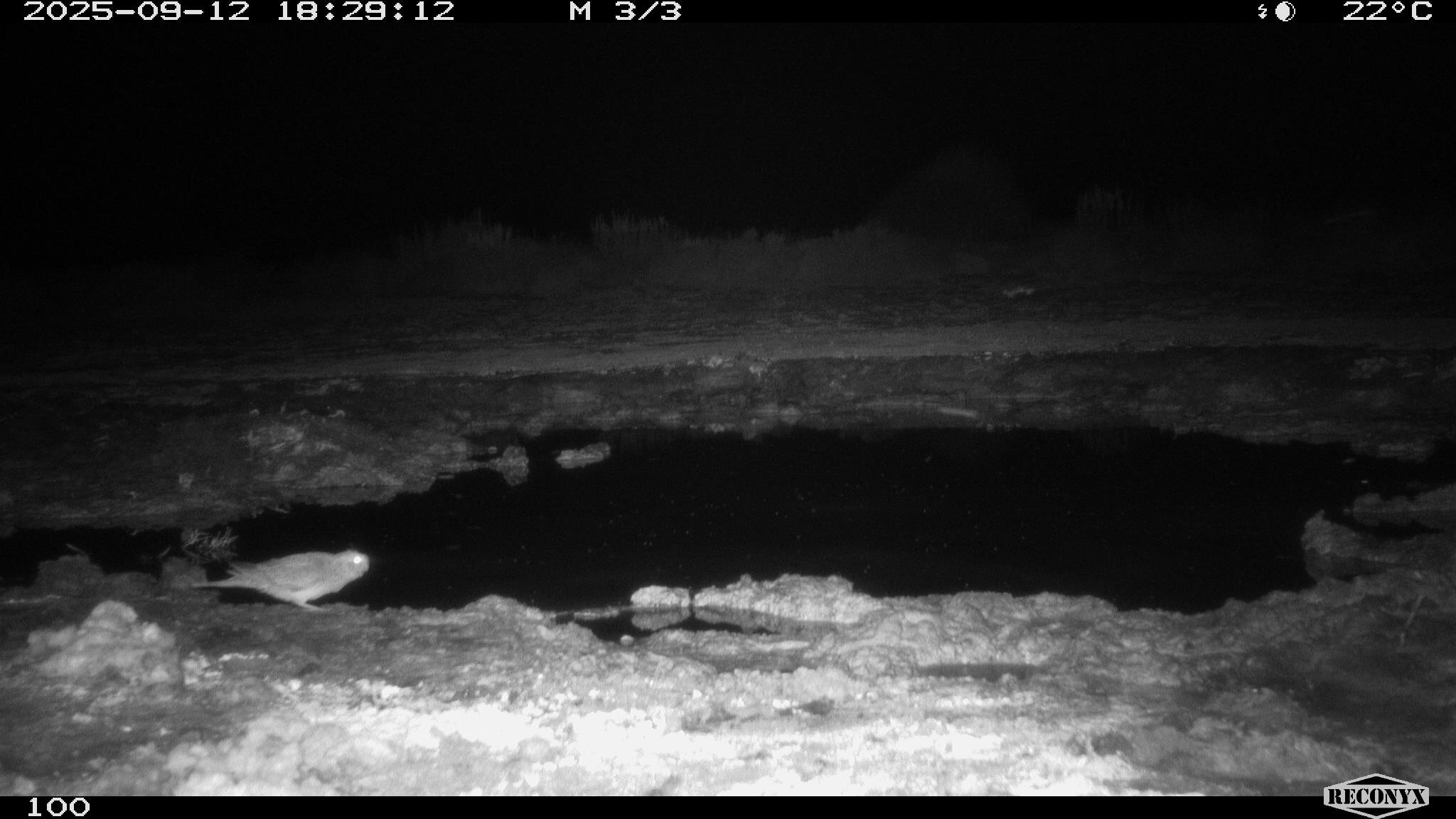
In September 2025, the partnership achieved a significant milestone: a camera trap set by Martu Rangers and Biota captured footage of a Night Parrot drinking at a waterhole. This is the first known video evidence of the species drinking. The Rangers described the moment as a proud achievement, reflecting years of collaboration.
The project stands as an example of how Indigenous leadership in land management can protect culturally significant species while guiding responsible development.
Martu Rangers, alongside Biota and Rio Tinto, will continue monitoring efforts in 2026, ensuring the Kurrual Kurrual is protected into the future.
Media Contact: Kimberley Peck | kpeck@jyac.com.au | 0474 255 810